
1. The number of products a store can upload is divided based on the store level.
The store level refers to the system categorizing the store into different levels according to the store’s sales volume in the past 90 days. The higher the level, the more products are allowed. For details, please refer to Shop Tiering.
2. Product content specifications
- Comply with the platform’s prohibited items policy and prohibit the release of counterfeit and infringing products (for details, please clickProhibited Items, Anti-counterfeiting and Anti-infringement Rules).
- Select the correct product category (Vendor Center Category Rule), and please refer to the Vendor Center Category Rules for details.
- Product descriptions must not use Chinese.
- Please select the correct brand, and refer to the Brand creation and usage for details. If the seller’s brand is not in the platform database, please create the brand first and then create the product. The platform prohibits modifying the SKU belonging to a certain brand to another brand. The Brand field will be locked in VC after the product is successfully created and cannot be modified again.
- The Colour and Model fields will be locked in VC after the product is successfully created (after passing the first QC) and cannot be modified again. Sellers are requested to fill in these two fields correctly when creating the product. Especially for fashion products (men’s clothing, women’s clothing, children’s clothing, shoes, etc.), the color is an important reference for manual QC. Please be sure to fill in the correct Colour when creating to avoid being unable to modify this value range after the product is created in the system.
- Variables can only be used for the sizes of fashion products; attributes such as color, model, and shape cannot be used as variables.
- The currency for uploading products in Vendor Center is: US dollars(click here to get the latest exchange rate).
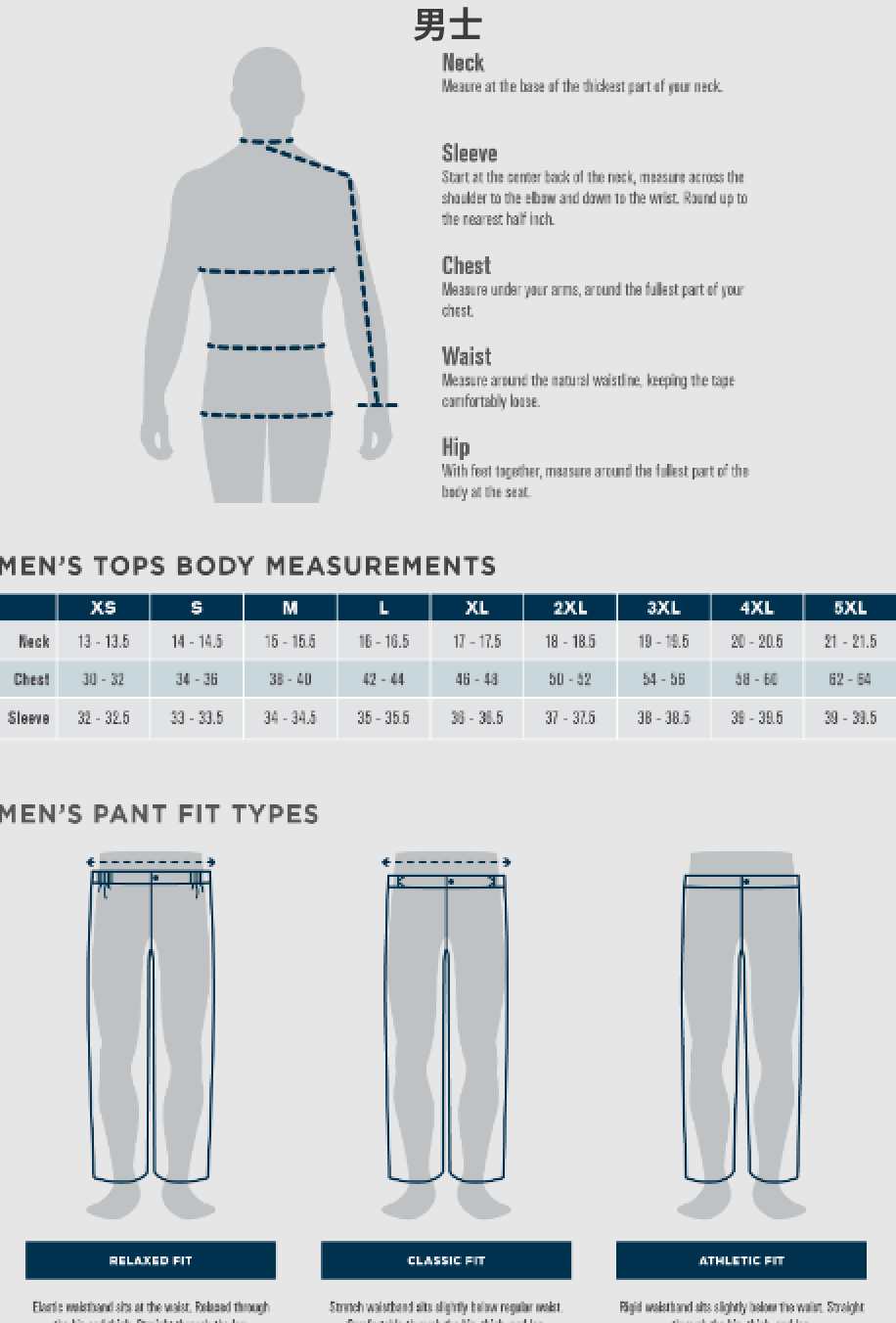
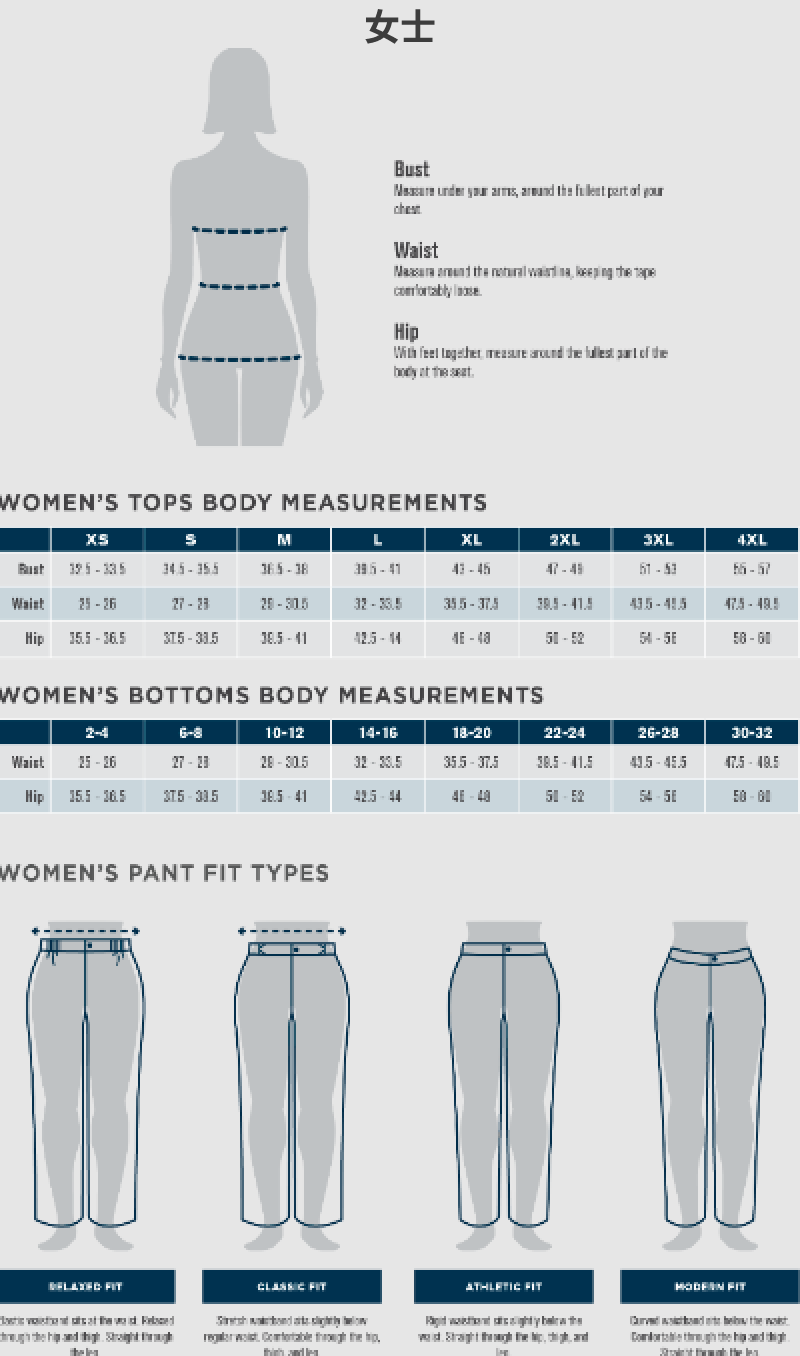
- For fashion products, if the sizing differs from the Jumia Size Guide standard, a size conversion chart must be provided in the main image. This is especially important when the actual product size differs from the SKU variable (e.g., the actual product is Chinese sizing, but the SKU variable is European sizing).
- Variation Specifications: Only single-dimensional attributes are supported. Commonly allowed variation attributes include: size/power/capacity/age group, etc. Variations must share the same image set; therefore, variation attributes should not affect the appearance (e.g., color/shape). Note:
- If multiple variations exist, the Jumia promotional price will be based on the lowest price among the variations (i.e., the lowest price of the Config SKU).
- For variation attributes such as power, storage capacity, etc., which have price differences, it is recommended to create separate products to avoid affecting the promotional price submission.
- It is prohibited to use the names and brands of other platforms in product names, descriptions, and details.
- International sellers have stopped listing refrigerators, freezers, washing machines, and dryers on the Ghana (GH) site. See here for details.
3. Product image specifications
- Size pixel requirements:The image pixel requirements are 500×500 to 2000×2000 pixels, and the memory is within 2MB.
- Image content requirements:
- The color of the product in the main image must match the color of the SKU you created (do not show other colors of the same product in the main image).
- The main image must be a front-facing photo of the product on a white background without watermarks, and must not include any reference objects. There should be at least three photos from multiple angles (especially for fashion products such as clothing, bags, shoes, and accessories).
- Images must not use Chinese characters or contain Chinese watermarks.
- The descriptions in the displayed images must match the actual product shipped (including color, quantity, and whether accessories are included).
- Avoid showing any free gifts, accessories, or reference objects in the main image that could easily mislead buyers. If the product contains reference objects, clearly indicate that it is actually being sold (using arrows or text descriptions in all images).
4. Fashion size chart
Please include a size image of the product in the picture, including garment length, sleeve length, and leg circumference. The more detailed the picture, the fewer returns will be due to incorrect sizing. Please customize the size image based on the actual product sold. The following images are for reference only:
5. Product Restricted Word Rules
Due to policy reasons, the list of restricted words is not publicly available. However, to maintain a compliant operating environment on the JUMIA platform, ensure a good consumer experience, and help you create and list products more smoothly, the platform has set product restricted words. For details, please refer to the Product Restricted Word Rules.
6. Backend Category Rules
Vendor Center has strict requirements for product classification. Accurate categories make advertising more precise, reduce the cost per click (CPC), and improve the return on investment (ROI). For details, please refer to the Vendor Center Category Rules.
7. Cosmetics Product Specification Guidelines
To ensure that sellers’ cosmetics products are successfully listed in overseas warehouses and sold legally, Jumia has introduced corresponding compliance requirements for cosmetics products starting from 2026. For details, please refer to the 2026 JG FBJ Cosmetics Product Specification Guidelines.
8. Power Bank Product Content Specification Guide
Power banks are not prohibited items on the platform (sellers can ship them as long as they can find reliable logistics channels). However, the platform has detailed information specification guidelines for power bank products. For details, please refer to the Power Bank Product Description and Information Specification Guide.
9. SKU Deactivated Rules
The platform has corresponding product offline rules for unqualified/non-compliant products. For details, please refer to the Product Delisting Rules & Relistig Conditions.
10. Rules for Timed Deletion of SKUs
To further improve the quality of platform products and customers’ shopping experience, Jumia will officially implement a monthly product cleanup plan starting from March 2026. The platform will regularly delete long-term inactive products in Vendor Center every month. For details, please refer to Product Deletion Policy.
11. What to do if the product is not online?
Check the product status to confirm the reason for being offline. If rejected by QC, update the product. If it is offline without a reason, please contact RAC.
